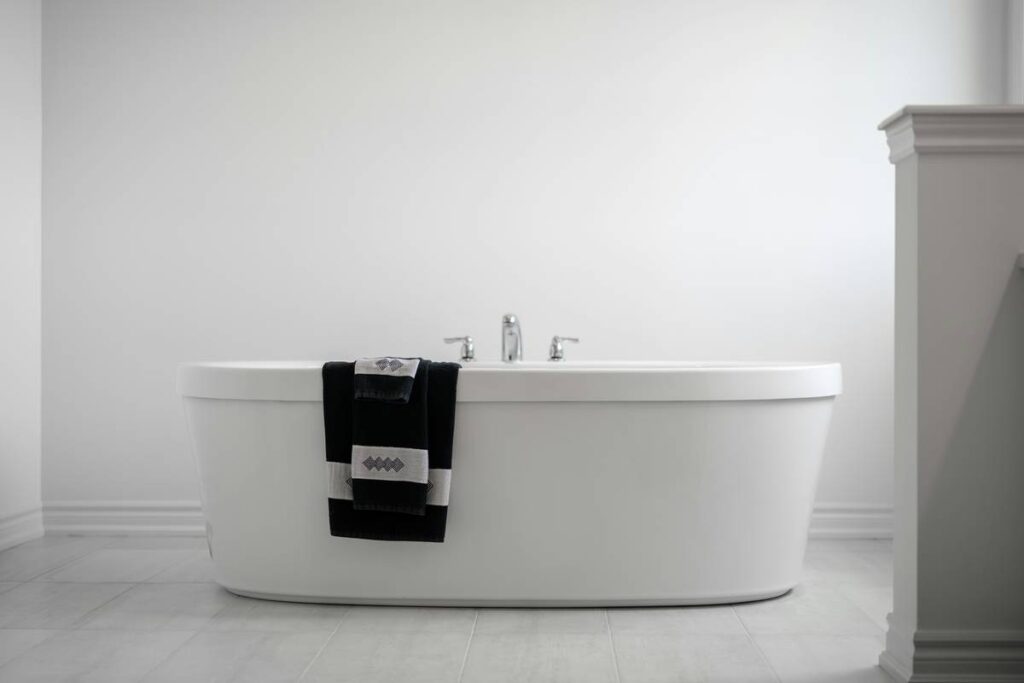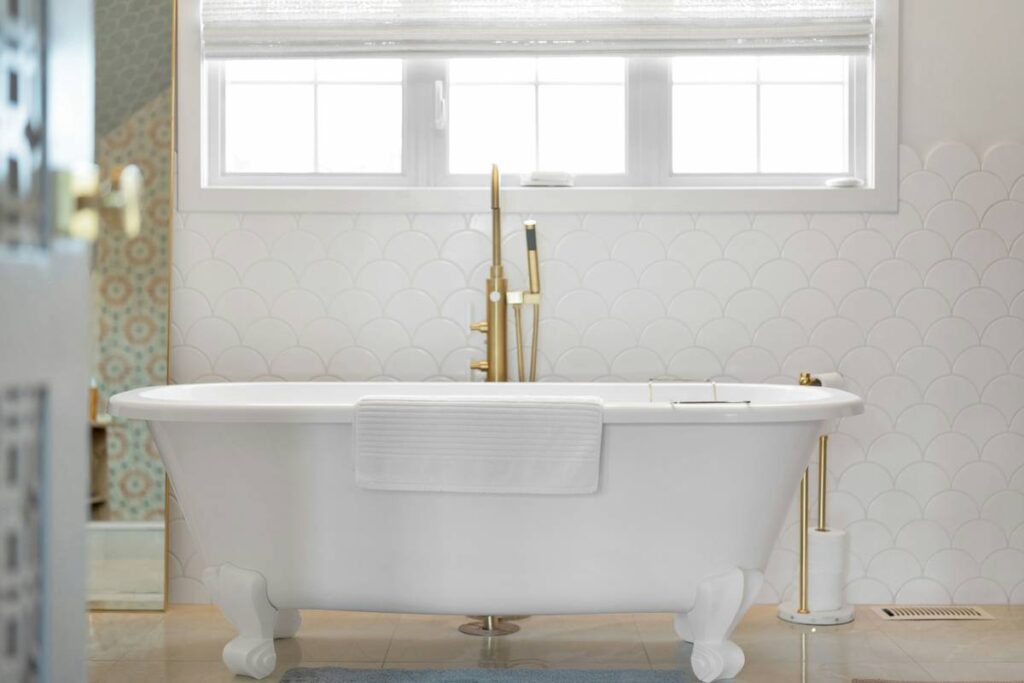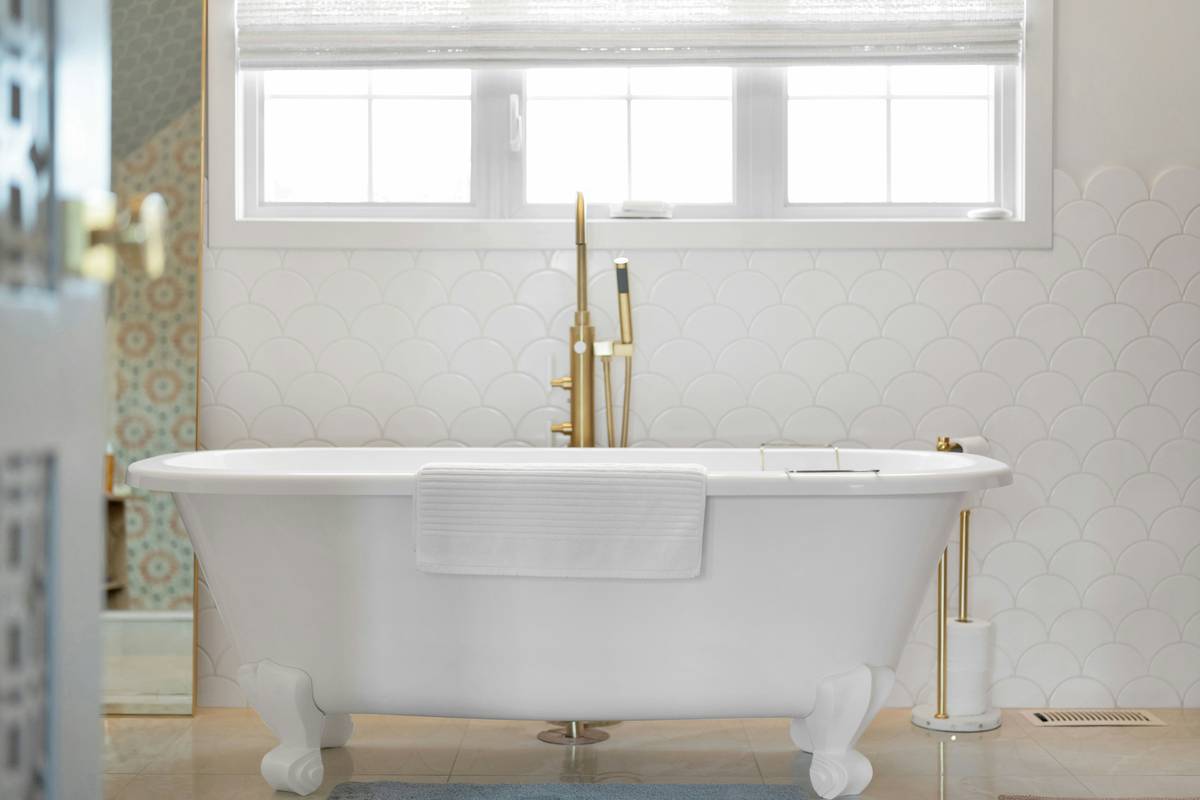
Remember that gorgeous clawfoot tub you saw in a friend’s guest bathroom — the one that made you pause, sigh, and instantly Google “where do I even *begin*?” Me too. Except my first attempt at vintage bathtub ideas ended with a $2,400 cast-iron relic delivered to my driveway… only to discover the doorway was 3 inches too narrow. No joke — I measured *twice*, but forgot to account for the feet and the plumber’s shoulder width. That tub sat wrapped in plastic on my lawn for 11 days while I sourced a custom door frame cut. If you’re diving into freestanding bathtubs — especially with an old-world soul — you need more than Pinterest pins and porcelain lust. You need realism, dimensional awareness, and design logic rooted in how people actually live (and bathe) today.
Table of Contents
- Why Vintage Bathtub Ideas Matter More Than Ever (Especially Now)
- How to Bring Vintage Bathtub Ideas to Life — Step by Step
- 6 Unspoken Best Practices Most Blogs Skip
- Real Results: From Dated Rental to Design-Magical
- FAQs: Your Questions on Style, Plumbing & Practicality
Key Takeaways
- Vintage bathtub ideas aren’t just about aesthetics — they directly impact resale value. According to the National Association of Home Builders, homes with thoughtfully curated, high-end fixtures see 4.2% higher perceived value from buyers — especially in bathrooms under 60 sq ft.
- Cast iron retains heat 3× longer than acrylic — but weighs up to 500 lbs empty. Always verify subfloor load capacity before ordering.
- The “vintage” look doesn’t require authentic antiques. Modern reproductions (like those from American Standard’s Heritage Collection) offer period-correct silhouettes with updated enamel coatings and ADA-compliant depth options.
- Never skip a site survey. What looks like “just enough space” on paper often fails acoustically (clanging pipes), structurally (sagging joists), or functionally (knee room for bathing with kids or mobility aids).
- A single focal-point tub can transform a small bathroom — but avoid pairing it with ornate faucets *and* floral wallpaper *and* antique mirrors. Choose one dominant vintage element; let the rest support, not compete.
Why Vintage Bathtub Ideas Matter More Than Ever (Especially Now)
In an era of minimalist white tiles and hidden drains, choosing vintage bathtub ideas feels almost rebellious — and refreshingly intentional. This isn’t nostalgia for nostalgia’s sake. It’s a quiet pushback against disposable design. Homeowners are trading “standard” for signature, especially in spaces where daily ritual meets self-care. The bathroom is no longer a utility closet — it’s a sanctuary. And a freestanding vintage-style tub? It’s the centrepiece of that shift.
But here’s the unvarnished truth: misapplied vintage bathtub ideas backfire fast. That gorgeous roll-top tub may look perfect in your head — until it blocks your shower curtain rod, overwhelms a 5’x7′ footprint, or creates a cold spot because its location disrupts HVAC airflow. That’s why intentionality beats imitation every time.
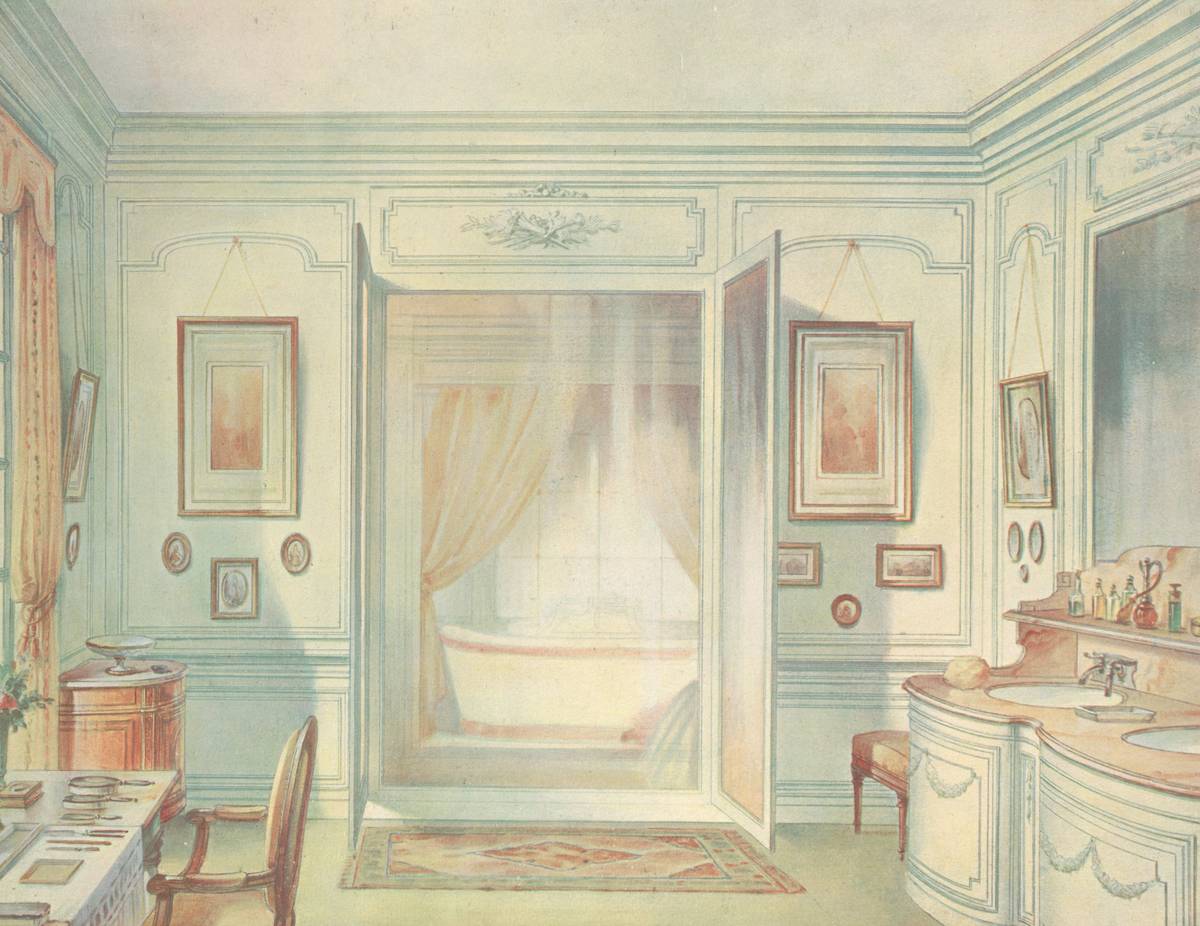
According to the Architectural Digest 2024 Trends Report, 68% of homeowners aged 35–54 cite “heirloom-quality fixtures” as a non-negotiable in their renovation plans — outpacing smart toilets and voice-controlled lighting combined. The desire is real. The execution? That’s where most stumble.
How to Bring Vintage Bathtub Ideas to Life — Step by Step
Step 1: Audit Your Space Like a Contractor
Grab a tape measure, a level, and a notebook. Measure not just length/width/height — measure clearance around doors, swing radius for cabinets, and distance from drain to nearest wall stud. Note floor slope (even ¼” over 4 feet matters for drainage). Check ceiling height — some clawfoot models sit 26″ tall and need overhead clearance for comfortable lounging.
Step 2: Prioritize Function Before Flourish
Ask: Who uses this tub? Daily? Weekly? For soaking or quick rinses? If it’s primary bathing for two adults, prioritize depth (at least 16″) and interior space (look for >48″ interior length). Skip overly narrow “slim” vintage profiles unless it’s purely decorative.
Step 3: Match Materials to Your Lifestyle
Cast iron: unbeatable heat retention, heavy, needs periodic re-enameling if chipped. Acrylic: lighter, warmer-to-touch, less resistant to abrasives. Solid surface (e.g., Corian): seamless, repairable, mid-weight — ideal for modern-vintage hybrids. No material is “better,” just better for your habits.
Step 4: Source Faucets With Foresight
Wall-mounted vintage faucets look stunning — but require precise rough-in depth (usually 4–6″) and access behind tile for future repairs. Deck-mounted taps are safer for DIYers and renters. Pro tip: Buy faucet + tub together from one manufacturer to guarantee compatibility and warranty coverage.
6 Unspoken Best Practices Most Blogs Skip
- Test the “tub test”: Sit in a showroom model fully clothed — knees bent, arms resting on rim. If your elbows hit the wall or your feet dangle awkwardly, walk away. Comfort > drama.
- Insulate the underside: Wrap the tub’s base in closed-cell foam before setting — cuts condensation, muffles water noise, and prevents subfloor warping in humid climates.
- Use a contrast grout: For subway tile surrounds, choose charcoal or deep navy grout with white tile. It frames the tub visually and hides soap scum far longer than light grout.
- Ignore the “matching hardware” myth: A polished nickel tub filler looks stunning with matte black towel bars. Juxtaposition adds sophistication — uniformity reads as generic.
- Install a dedicated GFCI circuit: Freestanding tubs near showers increase electrical risk. Code requires GFCI protection for outlets within 6 feet — don’t risk it.
- Order sample finishes: Enamel sheen varies wildly by light. Get 2″x2″ swatches of white, biscuit, and oyster shell from your top three brands. Hold them next to your existing tile in morning and evening light.
Real Results: From Dated Rental to Design-Magical
Take Maya, a designer in Portland who renovated her 1923 Craftsman rental (with landlord approval). She chose a reproduction Victorian slipper tub (42″ long, 22″ wide) in matte black porcelain — a deliberate break from the home’s original white fixtures. Instead of fighting the low ceiling, she recessed the tub into a platform, adding built-in storage below and a floating oak shelf above. Result? Her bathroom went from “barely functional” to “featured in Dwell Magazine’s ‘Rental Makeovers’ series.” She saved 37% on plumbing labor by using a standard P-trap configuration instead of custom bends — proof that vintage bathtub ideas don’t demand complexity.
FAQs: Your Questions on Style, Plumbing & Practicality
Q: Are vintage bathtub ideas compatible with modern water pressure?
A: Yes — but match faucet flow rates carefully. Older-style cross-handle fillers average 4–6 GPM; newer low-flow standards cap at 1.75 GPM. Look for WaterSense-labeled vintage-style faucets (like those from Kohler’s Devonshire line) that maintain aesthetic integrity without sacrificing performance.
Q: Can I install a vintage-style freestanding tub in a small bathroom?
A: Absolutely — if you choose wisely. Prioritize compact footprints (under 55″ long), skip apron extensions, and position it diagonally in corners to maximize walkway width. One client gained 14 inches of clearance by rotating her 54″ tub 45 degrees — simple geometry, big impact.
Q: How do I clean vintage-style enameled tubs without damaging the finish?
A: Avoid abrasive powders, steel wool, or vinegar-based cleaners. Use pH-neutral soaps (like Dr. Bronner’s unscented) and a soft microfiber cloth. For stubborn stains, make a paste of baking soda + water, let sit 10 minutes, then gently buff — never scrub.
Q: Do vintage bathtub ideas require special permits?
A: Generally, yes — any fixture replacement involving water supply lines or drain relocation requires a plumbing permit in most U.S. municipalities. Contact your local building department before ordering. You’ll also need one if structural framing changes occur (e.g., cutting a doorway wider for tub delivery). Learn more about our process on our About Us page.
Q: Is it worth restoring an authentic antique tub?
A: Rarely — unless it’s museum-grade or family heirloom. Refinishing costs ($500–$1,200) plus freight, lead-time, and uncertain longevity rarely beat new reproduction quality. Save restoration energy for the tub’s legs or faucet hardware, not the entire basin.
Ready to move beyond inspiration boards and into installation-ready clarity? Let’s get your vision leak-proof, stress-free, and built to last. Contact us for a free space audit and personalized vintage bathtub ideas roadmap — no pitch, no pressure, just real talk and measurable advice. And before diving in, please review our Privacy Policy — we respect your data as much as your design choices.